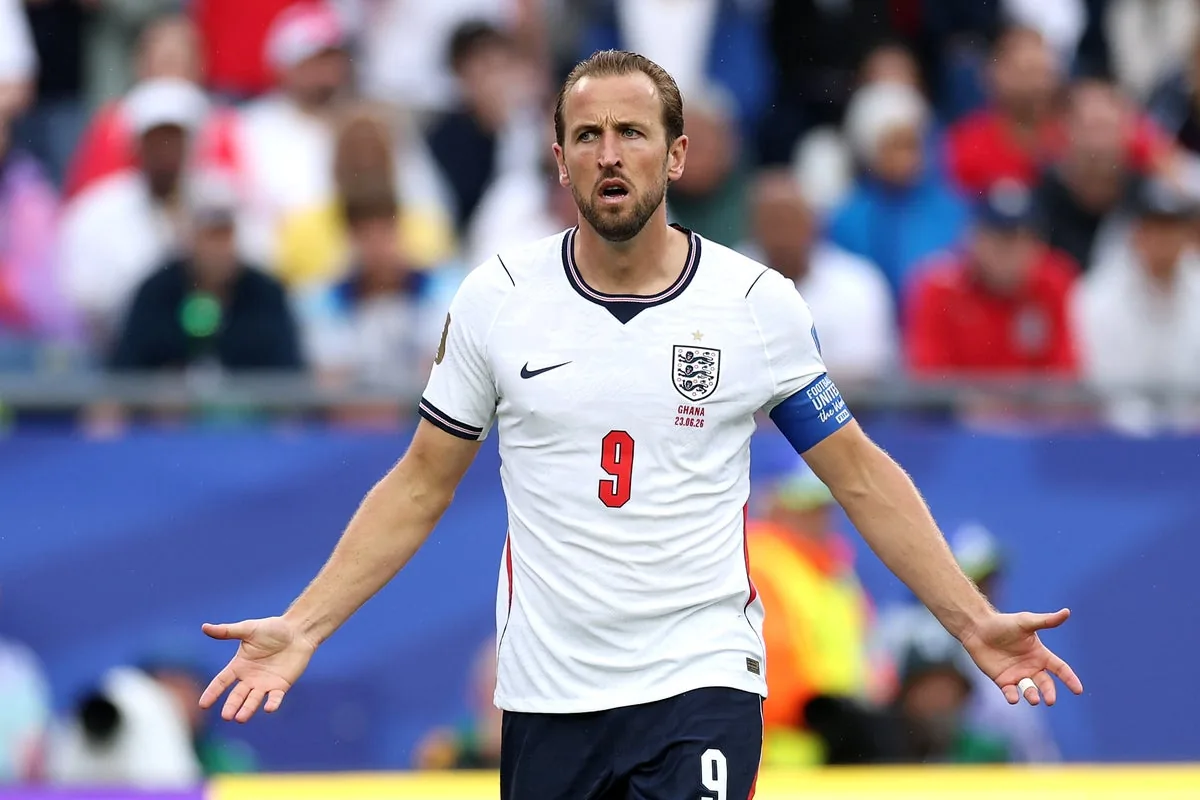

England are implementing measures to mitigate potential disruptions from local supporters and the challenges of high altitude as they prepare for their World Cup last-16 tie against Mexico. The match is scheduled for Sunday, with a 01:00 BST Monday kick-off, and will be broadcast live.
The team is set to arrive in Mexico City on Friday, allowing for two nights in the capital before the game. This adjusted schedule differs from their usual practice of landing in the host city the night before a fixture. The change comes after Ecuador, another team in the tournament, reportedly lodged a complaint with Fifa. Their squad was allegedly kept awake by noisy Mexico supporters, who used loudspeakers, horns, and motorcycles outside their hotel late at night. Ecuador had stayed at the Westin Hotel in Mexico City.
Precautionary Measures for Player Rest
To prevent similar incidents, England is keeping their accommodation location undisclosed. Despite this, there is concern that the information could still be leaked on social media. As a preventative measure, players and staff who have not brought their own sleeping aids, such as earplugs or sleep bands, will be offered natural sleep remedies or white noise audio machines. These provisions aim to ensure that the players’ rest and sleep are not affected, thereby safeguarding their preparations for the crucial match.
The team’s arrival two days prior to the game also aligns with Fifa requirements for teams to hold a partially open training session the day before a match. Previously, England had conducted these sessions in Kansas before flying to the US city hosting their game. However, for this fixture, it has been decided that England will train directly in Mexico.
Addressing High-Altitude Challenges
Beyond potential local disruptions, England will also face the significant challenge of playing at high altitude. Mexico City is situated at an average elevation of approximately 2,240 metres above sea level, which means there is less oxygen available. This environmental factor can impact player performance, especially for those not accustomed to such conditions.
Mexico, in contrast, has played all four of their World Cup games to date in high-altitude environments. Three of these matches took place at the Azteca Stadium in Mexico City, with the fourth held in Guadalajara, which is approximately 1,566 metres above sea level. Ideally, athletes competing at high altitudes would spend one to two weeks at that elevation to allow their bodies to acclimatise and produce more red blood cells.
England manager Thomas Tuchel has acknowledged that his team will be at a disadvantage due to these conditions. He stated that physical adaptation to the altitude is impossible within the short timeframe of four days. Tuchel noted that the altitude presents a significant advantage for Mexico, as it takes too much time to adapt, and England only has three days between matches. Despite these obstacles, Tuchel expressed confidence in his team’s readiness to deal with the situation.
The team has also seen a rotation of players in the right-back position throughout the tournament. Reece James, Jarell Quansah, Djed Spence, Declan Rice, and Ezri Konsa have all featured in this role across England‘s four matches. The upcoming match against Mexico will be played at the Azteca Stadium.
Read Also
- Senegal exits World Cup after Belgium's dramatic comeback and controversial penalty
- Tottenham confirm Mateus Fernandes signing from West Ham
- Everton secure Hayden Hackney signing, Tottenham announce Mateus Fernandes
- Tottenham's transfer spending continues with Mateus Fernandes and Sandro Tonali signings
Source: bbc.co.uk

Sam Whitlock is a Sports News Writer at News-GB.org. He moved from local newspapers into digital sport. He focuses on rugby union, golf and boxing and is known for clear, deadline-driven reporting. He holds a degree in Journalism from the University of Gloucestershire and completed an NCTJ diploma. Now based in Gloucester, he plays amateur rugby and follows the fight game. “Clarity beats cleverness in breaking sport news.”