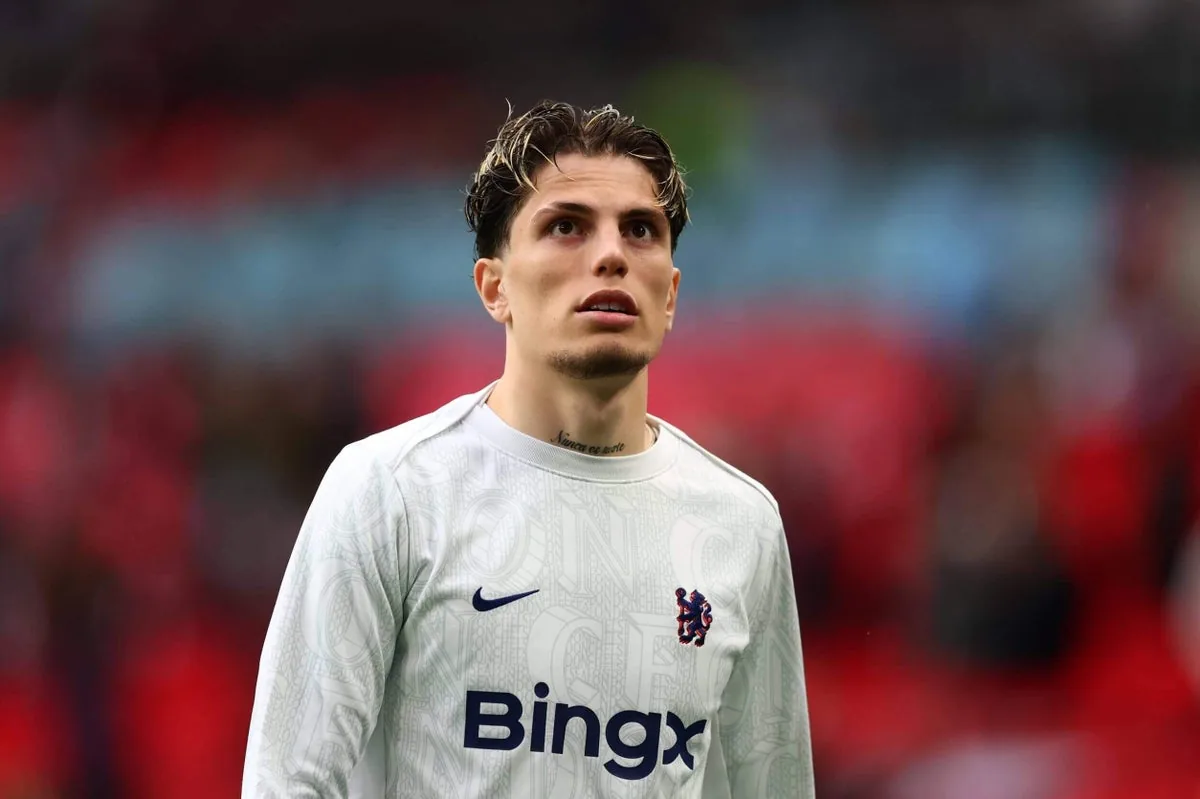

Aston Villa have reached an agreement with Chelsea for the loan of winger Alejandro Garnacho. The deal is set to run until the end of the 2026-27 season and includes a conditional obligation for Villa to purchase the player permanently.
Garnacho, who is 22 years old, has already completed a medical examination in Birmingham. He has also pre-agreed to a four-year contract with Villa, which would become active if the permanent transfer clause is triggered. This clause is dependent on certain conditions being met, such as the number of appearances the Argentina international makes during the upcoming season.
Details of the Transfer Agreement
The specific terms of the obligation to buy clause have not been publicly disclosed by either club. However, Chelsea reportedly believes these conditions are readily achievable, which would allow them to secure their valuation for the player. The pursuit of Garnacho was reportedly led by Aston Villa manager Unai Emery, who had previously expressed interest in signing the winger last summer when Garnacho moved from Manchester United to Chelsea.
This transfer is separate from Chelsea’s recent signing of Morgan Rogers from Villa, a deal confirmed on Tuesday. The fee for Rogers was a club record for Chelsea. Garnacho’s departure from Stamford Bridge comes after Chelsea’s acquisition of Rogers and winger Geovany Quenda, increasing the need to manage squad size.
Garnacho becomes Villa’s fourth signing, following the arrivals of Johan Manzambi, Joao Gomes, and Modou Keba Cisse. Villa’s player sales this summer have included Youri Tielemans, Donyell Malen, Enzo Barrenechea, and Lewis Dobbin.
Garnacho’s Time at Chelsea
Garnacho’s single season at Chelsea did not unfold as planned, marked by a limited impact that included one Premier League goal. Despite this, he scored eight goals and provided four assists across 43 appearances in all competitions last season. However, aside from two goals scored in the Carabao Cup against Arsenal, his other goals were against teams such as Qarabag, Wrexham, Port Vale, and Cardiff City.
Reports suggest that Garnacho began to lose the backing of some supporters due to concerns about his work-rate. There were instances where he received criticism for not tracking opponents, notably during a home defeat to West Ham where he was substituted at half-time after being involved in the build-up to two goals against his team.
Sources indicate that Garnacho maintained a professional attitude and worked diligently behind the scenes. He admitted in an interview that he had made some “bad things” at Old Trafford due to insufficient playing time. Others familiar with the Chelsea dressing room dynamics noted that Garnacho struggled to fully integrate into the team and often appeared somewhat isolated.
Despite these challenges, there is no significant controversy surrounding his move from Stamford Bridge. Chelsea viewed him as a player they were willing to move on as part of their efforts to enhance the squad. Garnacho started 22 matches in all competitions, with 14 of those being in the Premier League.
Implications for UEFA Regulations
The structure of this loan deal with a conditional obligation to buy is significant in the context of UEFA regulations. If a permanent signing were to occur within 45 days of the Rogers deal, UEFA would consider it a ‘player exchange transaction’. This would reduce Villa’s profit on Rogers in UEFA calculations to the net difference in fees for Rogers and Garnacho.
Villa is currently under a settlement agreement with UEFA, which provides little incentive to diminish the profit from the Rogers transfer. Therefore, structuring the deal as a loan that can conditionally become permanent is a workaround. If the permanent transfer takes place more than 45 days after the Rogers deal is completed, Villa would retain the full profit from the latter. Similarly, Chelsea would secure any profit from Garnacho without needing adjustments, which is crucial for them given their own UEFA settlement agreement and the need to generate significant profits from player trading in 2026-27.
UEFA rules state that if a condition for a permanent transfer is considered “virtually certain,” the deal must be recognized as permanent from the loan’s inception. However, if the fulfillment of a condition cannot be assessed with sufficient certainty, clubs can initially record it as a loan. The specific conditions for Garnacho’s permanent transfer are not yet known, but it is in the interest of both clubs for any permanent move to occur at a later date. UEFA will closely monitor the situation if Garnacho moves to the Midlands.
Garnacho was allowed by new Chelsea manager Xabi Alonso to miss the start of the club’s pre-season training to facilitate his move away from the club.
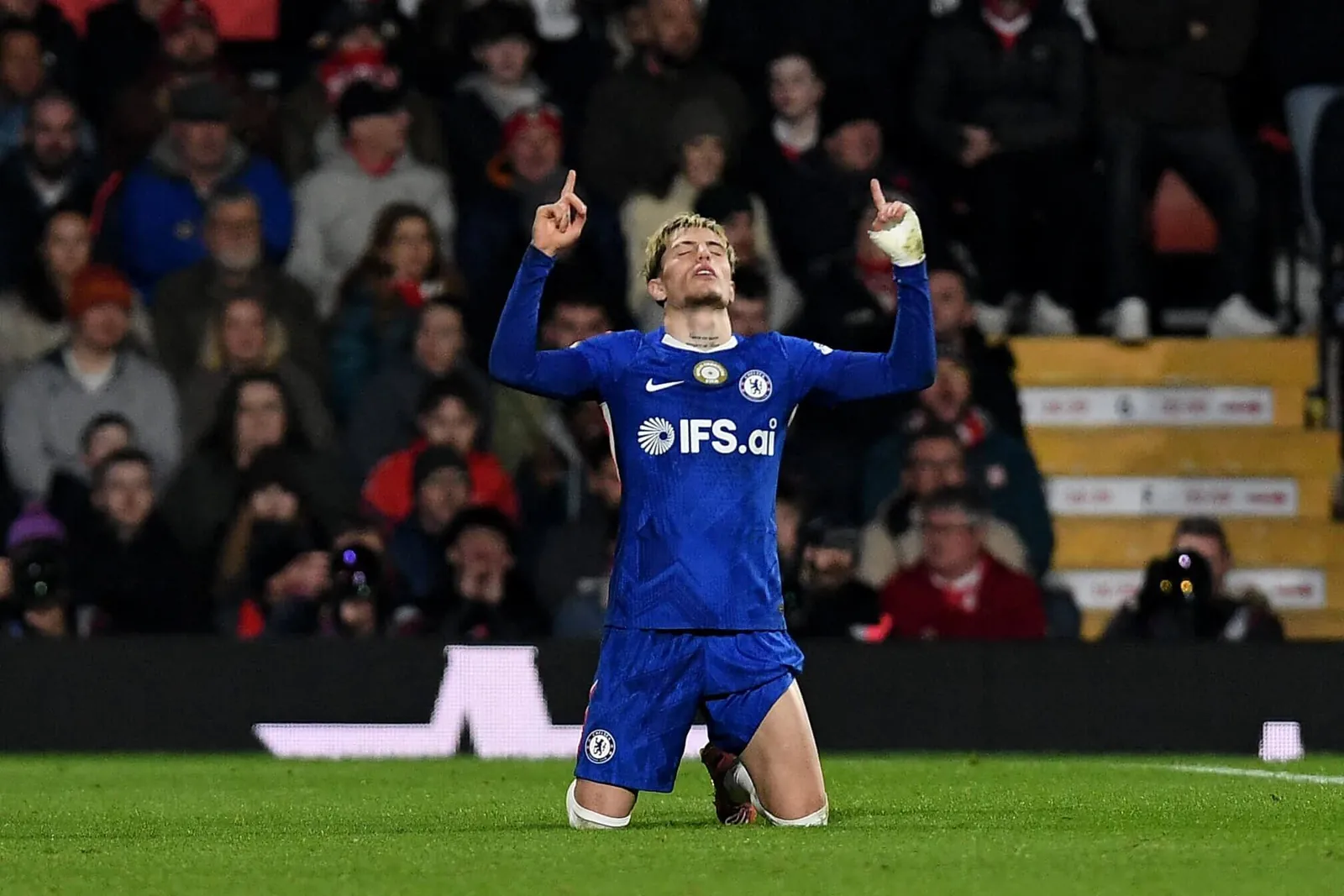
The Atletico Madrid academy product was included in Argentina’s 55-player preliminary squad for the World Cup but did not make the final selection. He departed Manchester United after five years at the club last summer, having scored 26 goals in 144 games for United, but fell out of favor with former head coach Ruben Amorim before his exit.

Garnacho’s move to Chelsea last September followed a period where he admitted to doing “some bad things” at Old Trafford, describing his eventual summer exit as painful.
Read Also
Source: bbc.com

Sam Whitlock is a Sports News Writer at News-GB.org. He moved from local newspapers into digital sport. He focuses on rugby union, golf and boxing and is known for clear, deadline-driven reporting. He holds a degree in Journalism from the University of Gloucestershire and completed an NCTJ diploma. Now based in Gloucester, he plays amateur rugby and follows the fight game. “Clarity beats cleverness in breaking sport news.”