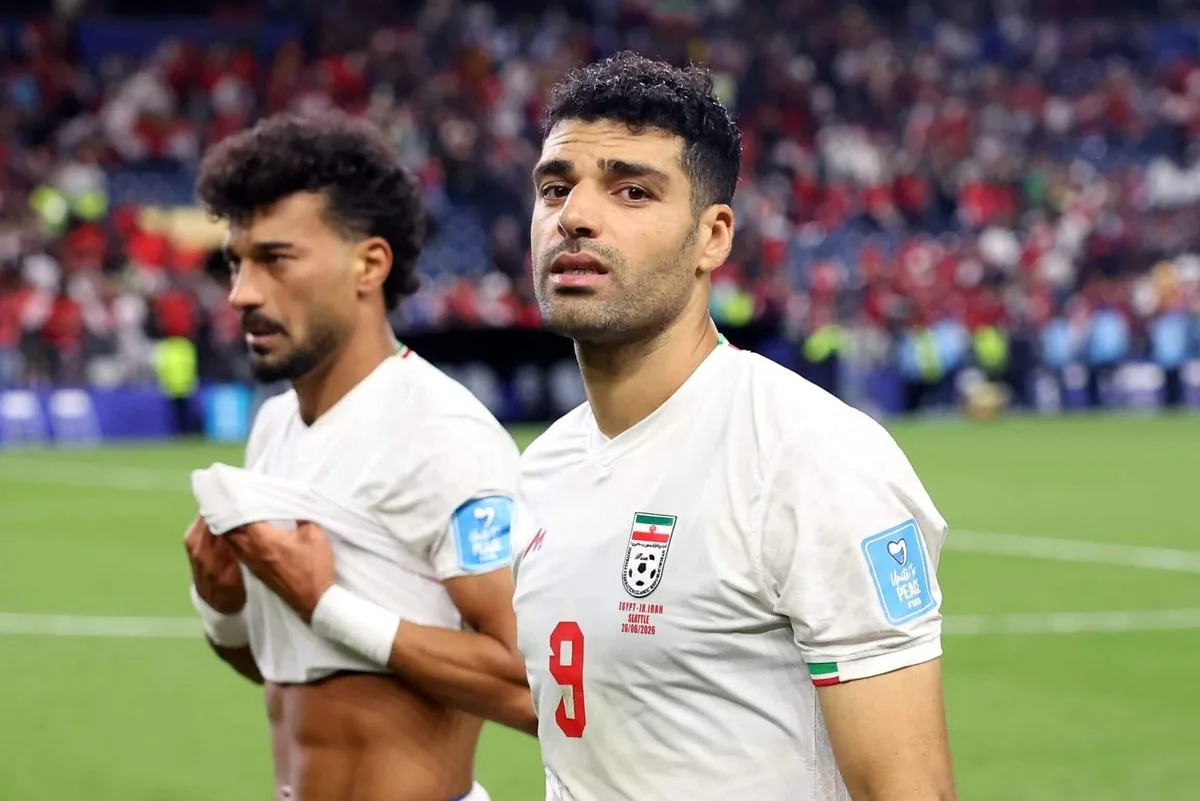

Iran’s World Cup Campaign Faces Logistical Hurdles
Iran captain Mehdi Taremi has voiced strong criticism regarding FIFA and its president, Gianni Infantino, concerning the logistical arrangements for his country’s World Cup campaign. Following a third group stage draw, which leaves Iran awaiting other results to determine their progression to the round of 32, Taremi described the tournament’s logistical challenges as a “disaster.”
The team was scheduled to travel from Seattle back to Tijuana, Mexico, after their recent match. Initially, Iran had planned to base themselves in Tucson, Arizona, for the tournament. However, their base camp was relocated to Mexico at the end of May due to ongoing military conflict between the United States and Iran. This conflict began with military strikes by the U.S. and Israel targeting Iran, which prompted retaliatory actions from Iran.
The Iran squad and staff have encountered difficulties entering and exiting the United States for matches. Taremi stated that Infantino has not fulfilled a promise to improve the situation. “It’s a disaster World Cup; a disaster,” Taremi told reporters, adding that FIFA should resolve these issues but has failed to do so since the beginning of the tournament. He mentioned that Infantino had visited their changing room after the first game against New Zealand, assuring them it was “just the beginning,” despite the group stage nearing its conclusion.
Taremi highlighted the absence of their logistics personnel, who reportedly do not have visas. He questioned the necessity of constantly traveling from Tijuana, expressing appreciation for the people of Tijuana and Mexico, but emphasizing that such travel conditions are not appropriate for professional players in a professional competition. He asserted that the situation is “not fair” and that despite their complaints, no one has offered assistance.
Travel Restrictions and Team Preparedness
The US Department of Homeland Security announced a change in travel arrangements for Iran’s final group game. The team was permitted to arrive in Seattle two days before their match against Egypt, granting them an additional day beyond the 24-hour window previously allowed for their initial two games. However, the team was still required to return to their base camp in Tijuana, Mexico, immediately after the match.
Previously, Iran’s squad was only allowed to enter the United States the day before a match and had to depart on the same day, under the terms of their visas. This prompted Iran’s head coach, Amir Ghalenoei, to label his side as the “most oppressed” team in the tournament. He claimed the squad had been “robbed” of preparation time, receiving less than half the training window needed, while other teams operated under normal conditions.
Andrew Giuliani, executive director of the White House’s World Cup task force, confirmed that discussions were underway to modify arrangements for Iran’s third group-stage match. While acknowledging that tighter travel restrictions for the first two matches in Los Angeles were reasonable due to the short flight from Tijuana, Giuliani noted that adjustments were being considered for the longer journey to Seattle, which can take up to three hours.
Ghalenoei has consistently argued that Iran should be allowed to arrive in each host city two days prior to a match and return to base the day after, to ensure optimal technical and physical preparation. He stated that the team faced “many challenges off the pitch” and that such conduct is not suitable for the World Cup, adding that the restrictions are inconsistent with football’s values. The Football Federation of Iran believes these restrictions contradict the principle of providing equal conditions for all participating teams and could negatively impact their preparation.
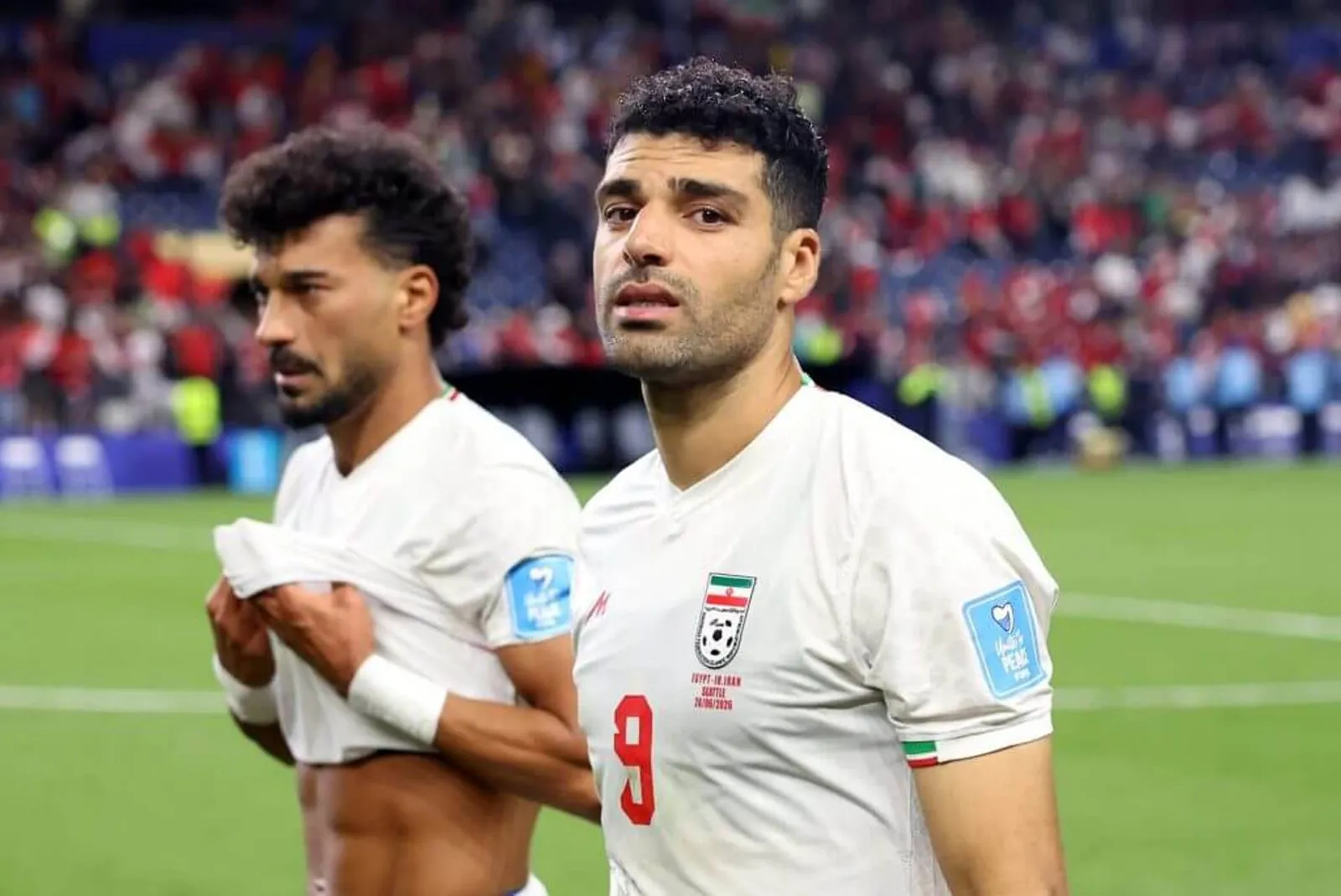
Uncertainty for Knockout Stage Qualification
Taremi, who missed a first-half penalty in the draw with Egypt, was asked if he felt Iran was wanted in the competition. He responded that they “have to fight against everything here” and questioned how it is possible to play 90 minutes and then immediately return to Tijuana. The draw with Egypt placed Iran third in Group G.
To qualify for the knockout stages as one of the best third-place sides, Iran will need favorable results from Saturday’s final round of group games. For instance, if Algeria and Austria draw in Group J, and DR Congo beats Uzbekistan, and Croatia secures at least a point against Ghana, then Iran would be eliminated. Despite these conditions, a live predictor tool indicates a high chance of Iran reaching the round of 32.
The US Department of Homeland Security reiterated its commitment to providing the safest tournament possible for all participants, stating that overall security measures and protocols remain unchanged.
The Iran team was permitted to come into the US two days before their match on 26 June.
Read Also
- Boston: Norway face questions after resting Erling Haaland against France
- Manuel Ugarte Suffers Injury Scare at World Cup, Raising Concerns for Manchester United
- Seattle sees dramatic finish as Iran's late goal ruled out, Egypt secure second in Group G
- Uruguay's World Cup campaign ends in disappointment and controversy
Source: nytimes.com

Sam Whitlock is a Sports News Writer at News-GB.org. He moved from local newspapers into digital sport. He focuses on rugby union, golf and boxing and is known for clear, deadline-driven reporting. He holds a degree in Journalism from the University of Gloucestershire and completed an NCTJ diploma. Now based in Gloucester, he plays amateur rugby and follows the fight game. “Clarity beats cleverness in breaking sport news.”