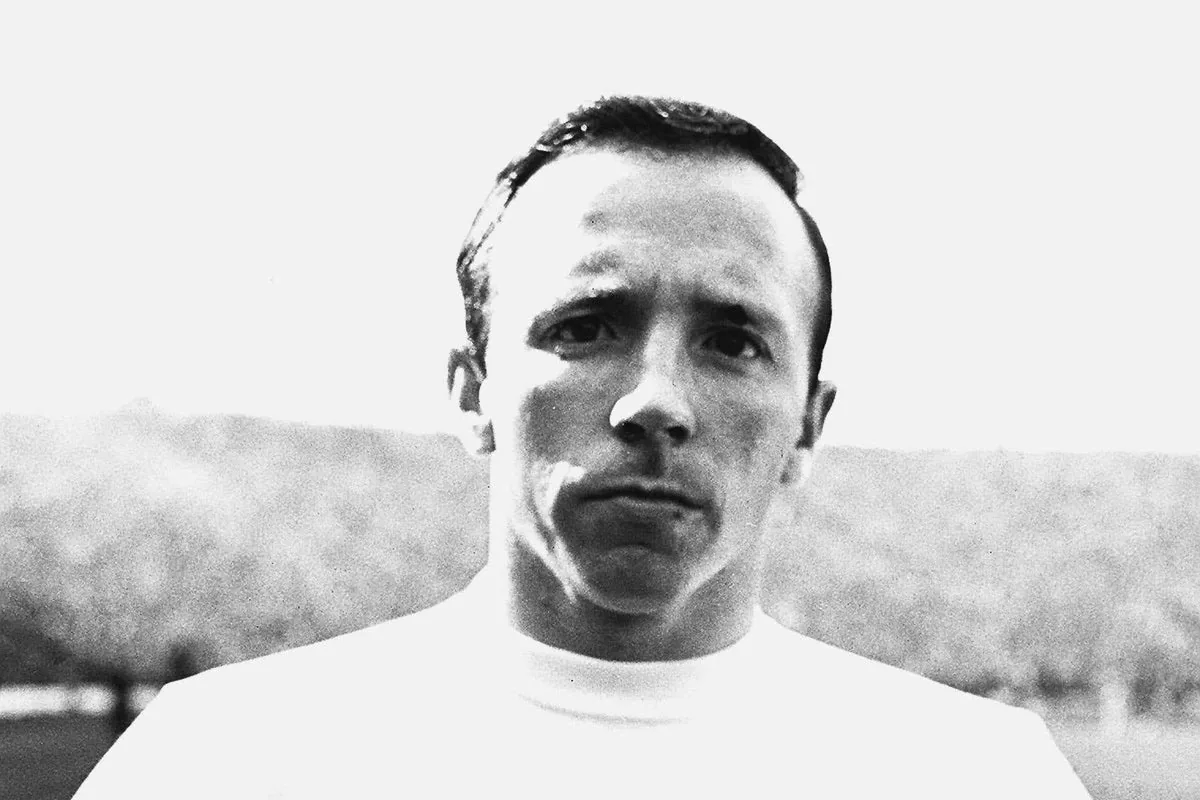

Coroner’s ruling on Nobby Stiles’ death
A coroner has determined that Nobby Stiles, the former England World Cup winner and Manchester United midfielder, died with a brain condition directly caused by repeatedly heading a football. The ruling follows an inquest into the death of Stiles, who passed away in 2020 at the age of 78, suffering from severe dementia. The inquest heard that Stiles had headed a football an estimated 140,000 times throughout his career.
Expert analysis of his brain revealed that his severe dementia was a result of both Alzheimer’s disease and chronic traumatic encephalopathy (CTE). CTE is a condition strongly linked to head trauma from heading a ball. Dr Daniel Du Plessis, a neuropathology expert, told the court he was convinced that Stiles’ extensive heading of the football caused his CTE. Senior coroner for South Manchester, Alison Mutch, clarified with Dr Du Plessis whether repeated heading of the ball was the cause of his CTE, to which he replied, “Yes.”
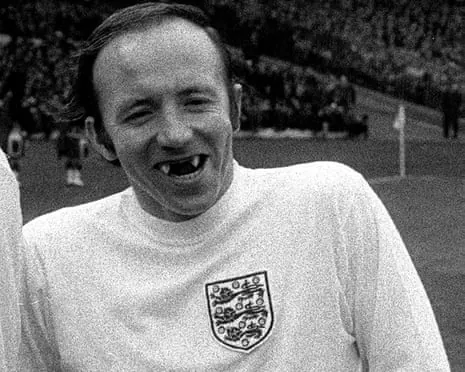
Norbert ‘Nobby’ Stiles, born in Collyhurst, Manchester, was known as a tough-tackling defensive midfielder. He earned 28 caps for England and made nearly 400 appearances for Manchester United. Stiles, who resided in Stretford, south Manchester, died in a care home on 30 October 2020, having been left bed-bound by his advanced dementia.
Family’s campaign for football authorities
Stiles’ family has been actively campaigning for football authorities to provide greater support to former players suffering from injuries they attribute to their playing days. His son, John Stiles, has previously stated that football had “killed” his father. During the hearing, John Stiles reflected on his father’s character, describing him as very humble and a family man, with football always taking a secondary role to his family life.
John Stiles leads the Football Families for Justice (FFJ) group, advocating for greater action from football authorities for ex-players. He is among dozens of former footballers and their families currently suing the Football Association, the Football Association of Wales, and the English Football League. These lawsuits allege negligence and a breach of their duty of care towards former players. Lawyers representing the claimants argue that football bodies knew, or should have known, for decades that repeatedly heading a ball in training and matches was likely to cause brain injuries.

However, in March this year, lawyers for the FA told the High Court that it has “not been established by science” that heading a ball or “occasional” concussion can lead to permanent brain damage. John Stiles estimated that his father headed the ball around 40 times a day, five days a week, over a 17-year career, calculating a “conservative” estimate of 136,000 headers in total. He also noted that footballs during his father’s era weighed approximately 16 ounces and became significantly heavier when wet.
Wider implications and ongoing concerns
The inquest into the death of former Scotland, Manchester United, and Leeds defender Gordon McQueen, who died at the age of 70, similarly concluded in January that heading the ball was “likely” to have contributed to a brain injury that factored in his death. McQueen was also diagnosed with CTE. His daughter, TV presenter Hayley McQueen, remarked that England’s 1966 World Cup-winning team had been “pretty much wiped out” by neurodegenerative disease.
A 2019 study, co-funded by the FA and the Professional Footballers’ Association, found that footballers were three and a half times more likely to die of neurodegenerative disease than age-matched members of the general population. The FA is currently phasing out all heading in youth football up to under-11s by 2026.
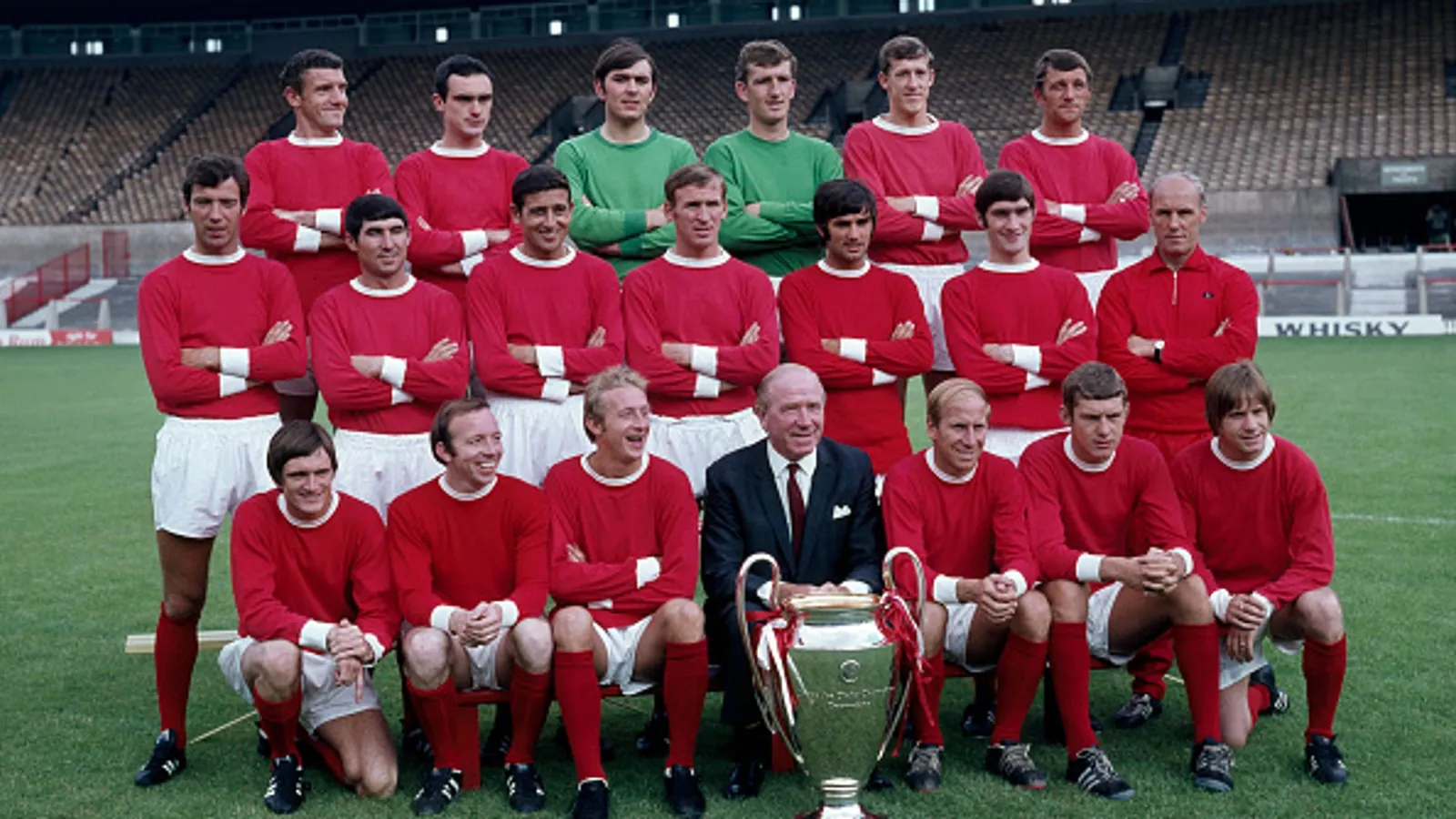
John Stiles recounted that in his late fifties and early sixties, his father began forgetting things and repeating himself. By 2010, Nobby Stiles sold his winning medals to fund his care as his mental struggles intensified, leading to increasing anxiety and a profound sense of dread, with John Stiles stating his father was “frightened.”
Read Also
Source: theguardian.com

As News-GB.org's Sports Reporter, Eleanor Vance reports on tennis, cricket and athletics for readers across the country. She built her name on long-form athlete profiles. She holds a degree in Sport and Media from the University of Bath and completed an NCTJ diploma. Eleanor lives in Bath, where she swims competitively and follows British athletics. “A profile is only as good as the questions behind it.”