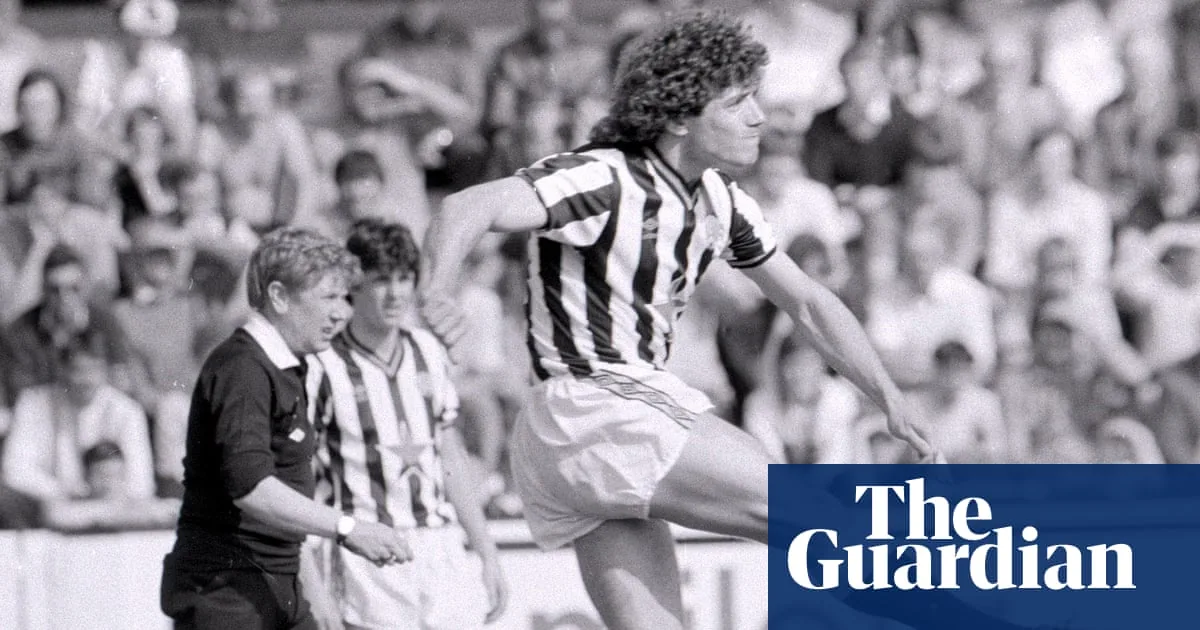

Kevin Keegan, a figure synonymous with Newcastle United, left a significant mark on the club both as a player and manager. His journey with the Tyneside club included a memorable playing career and two distinct managerial stints, each characterized by his attacking philosophy and passionate connection with the fans.
Born in Armthorpe, near Doncaster, Keegan’s early life was rooted in a mining community. His paternal grandfather, Frank Keegan, had moved from Ireland to Tyneside and was involved in rescue efforts during the 1909 West Stanley pit explosion. Keegan’s father, Joe Keegan, a fan of Newcastle United, passed down stories of club legends like Hughie Gallagher and Jackie Milburn to his son. Keegan’s talent for football was recognized early, with a nun at his primary school noting that his football should be encouraged.
After leaving school at 15, Keegan worked as a tea boy while continuing to play amateur football. He joined Scunthorpe United at the age of 16 in 1968, where he played 124 league games and scored 18 goals. His dedication to training was noted by senior players. He later moved to Liverpool for a fee of £33,000, making his debut in September 1971 and scoring the opening goal in a 3-1 home win against Nottingham Forest. During his time at Liverpool, he scored 68 goals in 230 league appearances, winning three league titles, two UEFA Cups, and one European Cup. He also earned two Ballon d’Or awards while playing for Hamburger SV.
Keegan’s first return to Newcastle was as a player, culminating in his final professional appearance on 17 May 1984. After a friendly against Liverpool at St James’ Park, a helicopter famously carried him away from the pitch, still in his kit, to the cheers of 36,000 home fans.
Managerial tenures and the ‘Entertainers’
Keegan’s first managerial spell at Newcastle began with the club facing potential relegation to the third tier. He successfully guided them to promotion to the Premier League. In the 1993-94 season, Newcastle finished behind champions Manchester United and Blackburn Rovers, showcasing an exciting, attacking style of play with strikers Andy Cole and Peter Beardsley.
A significant moment during this period was the sale of Andy Cole to Manchester United in January 1995, which Keegan explained to fans outside St James’ Park. The peak of Keegan’s first reign, and a source of considerable disappointment, came in the 1995-96 season. Strengthened by players like Les Ferdinand and David Ginola, Newcastle established a 12-point lead in the title race, but ultimately lost the advantage to Manchester United.
This period included a memorable Premier League match in April where Liverpool secured a 4-3 victory in stoppage time. Following comments from Manchester United manager Alex Ferguson, Keegan delivered a passionate televised speech, famously stating, "I will love it if we beat them. Love it." Despite the strong sentiment, Newcastle did not secure the title that season.
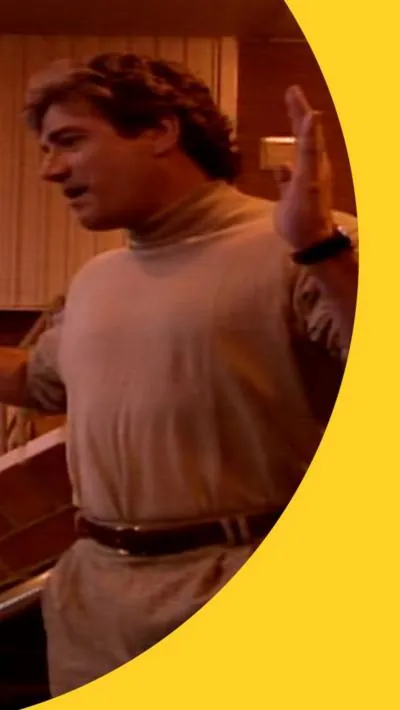
The summer after the 1995-96 season saw Alan Shearer, England’s top marksman, join Newcastle from Blackburn for a reported world record fee of £15m, rejecting Manchester United in the process. Shearer’s debut resulted in a 4-0 loss to Manchester United in the Charity Shield, though Newcastle later achieved a 5-0 home victory against them in the Premier League two months later.
Keegan resigned from his first managerial role at Newcastle on 8 January 1997, stating that he felt he had taken the club as far as he could.
Second return and later career
Tyneside welcomed Keegan back with enthusiasm when his return as manager was announced in January 2008 by Newcastle United owner Mike Ashley. However, this second spell was short-lived, lasting only eight months. Keegan resigned again due to differences with Ashley and the club’s hierarchy, which included his former England player Dennis Wise, then an executive director.
Beyond Newcastle, Keegan also managed Fulham, England, and Manchester City. His tenure as England manager lasted less than two years, including a failure to progress past the group stage at the Euro 2000 finals. He resigned following a 1-0 defeat by Germany, acknowledging that he had "come up short."
Keegan was also an avid racing fan and co-owned the dual Ayr Gold Cup winner Funfair Wane with his wife, Jean, who bred the horse. He also had horses with his former Southampton team-mate Mick Channon, who became a trainer. In 2000, Keegan managed the European team to victory at the Shergar Cup, held at Ascot for the first time.
Read Also
Source: bbc.co.uk

As News-GB.org's Sports Reporter, Eleanor Vance reports on tennis, cricket and athletics for readers across the country. She built her name on long-form athlete profiles. She holds a degree in Sport and Media from the University of Bath and completed an NCTJ diploma. Eleanor lives in Bath, where she swims competitively and follows British athletics. “A profile is only as good as the questions behind it.”