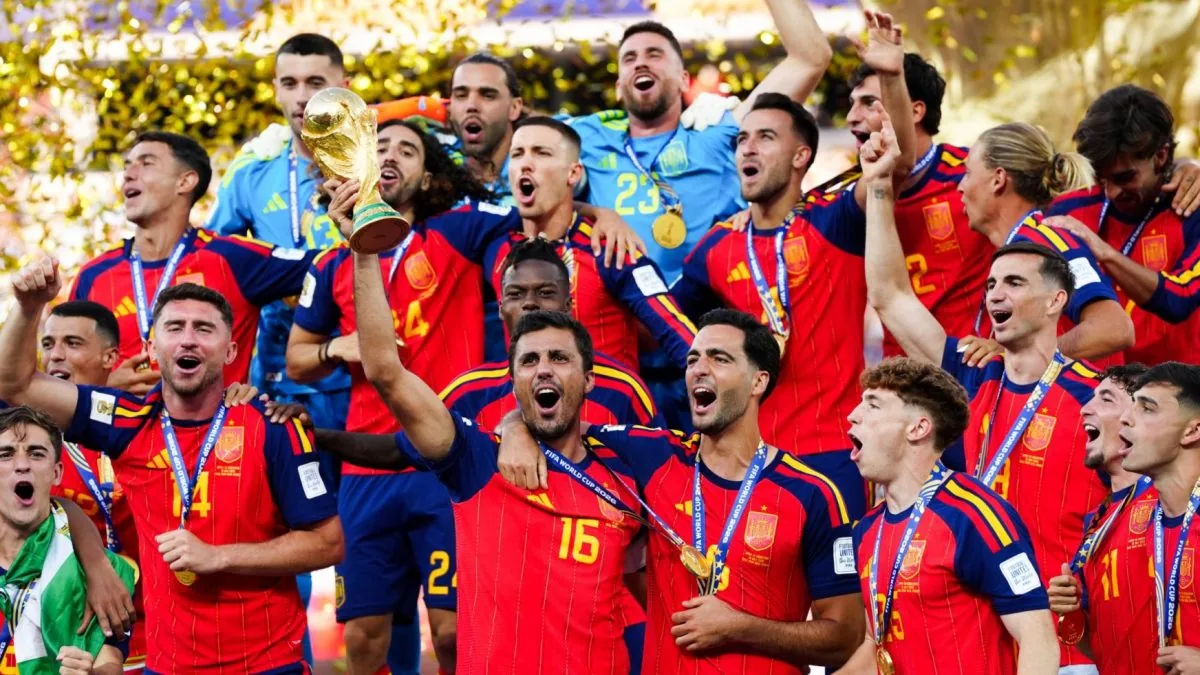

Madrid embraces World Cup triumph
Spain secured a World Cup victory against Argentina, with fans in Madrid celebrating the win despite the heat and the slow pace of the game. The final whistle, which sounded after midnight, was met with widespread delight across the city.
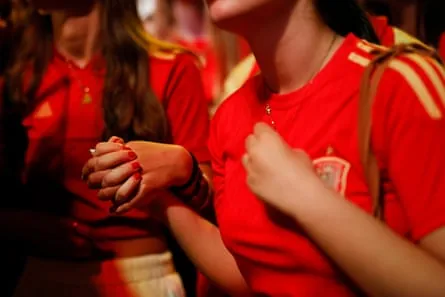
Many gathered in the Plaza de Colón to watch the match, where the largest flag in Spain, measuring 21m by 14m and weighing 35kg, flew overhead. Other fans filled bars, parks, and even the 15,000-capacity Movistar arena, turning the streets red and yellow with their national flags.
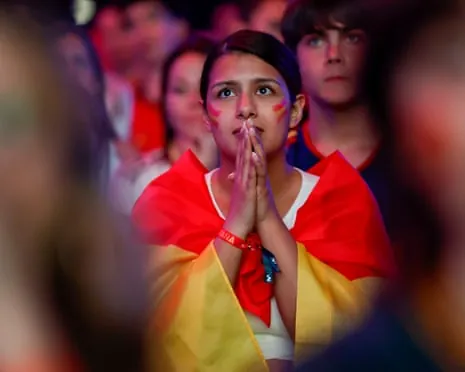
The atmosphere in Madrid was initially marked by a sense of anticipation, with some fans, like 18-year-old Katy, expressing excitement for what she called a “historic moment.” Others, such as Miguel Hinojal Vicente, 37, travelled from Toledo for the celebratory atmosphere, recalling vivid memories of Spain’s previous World Cup triumph.
The match itself was described as a challenging watch, with a slow pace that tested the patience of the spectators. The lingering heat and the presence of vuvuzelas contributed to a fidgety boredom among the crowd, which was only broken late in the game.
Dramatic late goals secure victory
The tension in the Plaza de Colón was palpable, with a disallowed goal from Nico Williams initially dampening spirits. However, the mood shifted dramatically when Ferran Torres scored, eliciting a thunderous roar from the crowd. This goal ignited screams, smiles, and flares, making the long wait worthwhile for the fans.
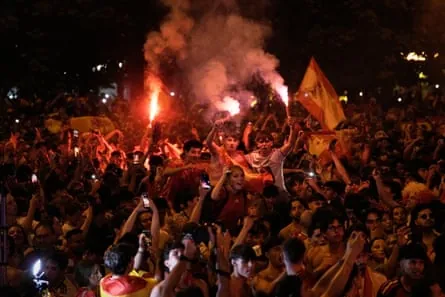
Despite another potential disallowed goal for Spain, La Roja’s momentum became unstoppable. The match concluded with a 1-0 scoreline in extra time, with Torres scoring in the 106th minute at MetLife Stadium. This victory marks another significant achievement for Spain, who last won the World Cup 16 years ago.
The final was characterised by a clash of styles, with Spain’s aesthetic approach contrasting with Argentina’s more physical play. Argentina received more red cards than shots during the 98 minutes of normal time, leading to a contest that was not always entertaining but ultimately saw Spain triumph.
A triumph for a new system
Spain’s victory is seen by some as a triumph for their coaching system, which has been developed over years at youth level under Luis de la Fuente. This approach prioritises a collective system over individual stars, a shift from previous eras dominated by players like Xavi, Iniesta, and Busquets.
The win is being heralded as a victory for good sport, particularly given Argentina’s behaviour throughout the tournament. Spain’s success is viewed as an extraordinary triumph for a system that has led the nation to conquer titles twice within two decades, making them European champions in men’s football and world champions in both men’s and women’s football.
The Argentinian ambassador in Madrid, Wenceslao Bunge, had previously highlighted the shared history between the two countries, urging pride and composure from both sides. He described the final as a “dream” between “two brother countries” with much in common, hoping it would serve as an example for values like work, perseverance, and respect. The final whistle, a little after midnight, confirmed Spain’s second World Cup title.
Read Also
Source: theguardian.com

George Hartwell is the Senior Football Correspondent at News-GB.org, covering the Premier League, the EFL and the England national side with twelve years of reporting experience. He reported on West Country football before national coverage. He holds a degree in Sports Journalism from the University of the West of England and completed an NCTJ diploma. Based in Bristol, he watches grassroots football and writes a tactics column. “Tactics tell you more than any scoreline.”