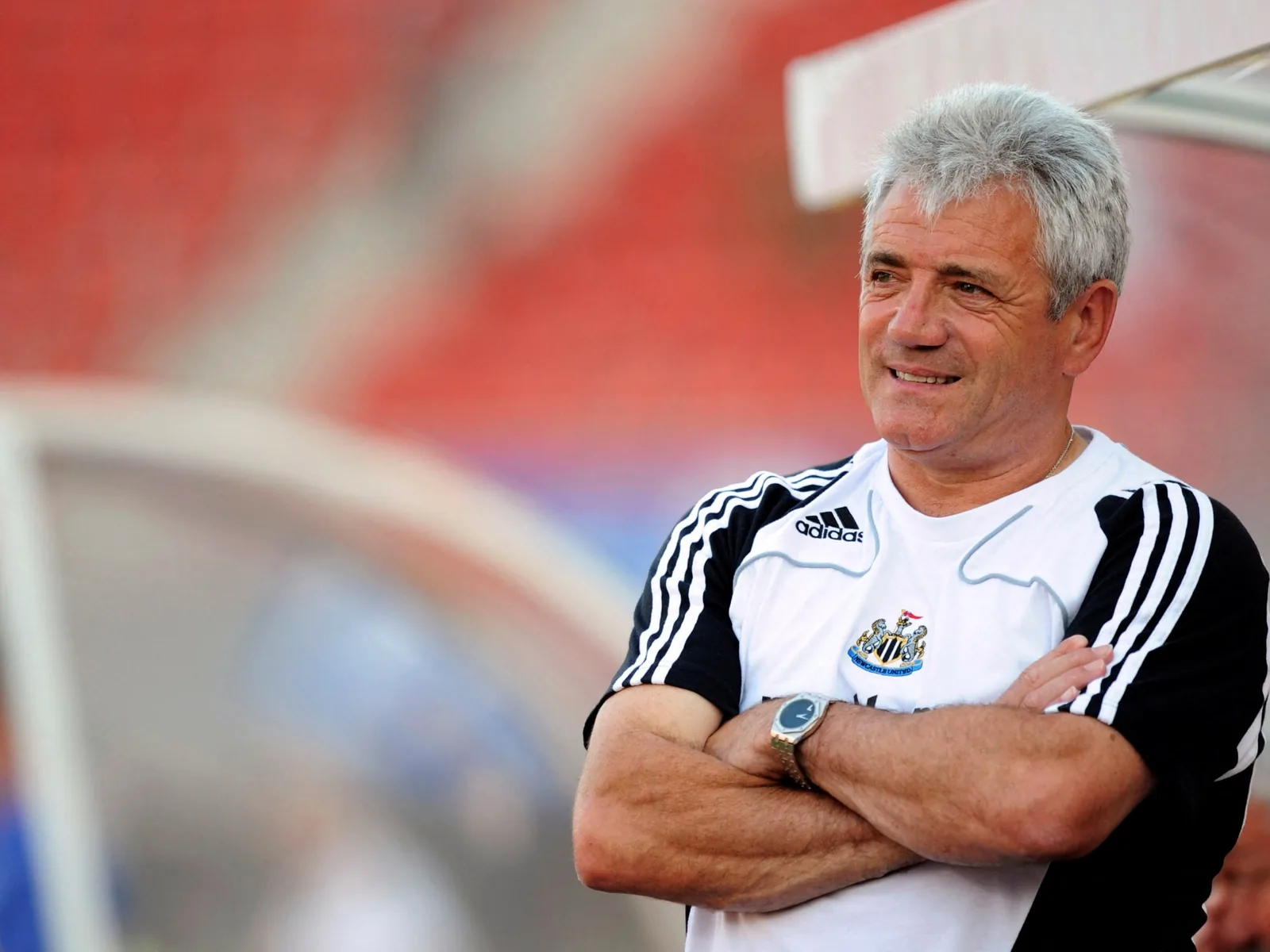

Football icon Kevin Keegan passes away
Kevin Keegan, a prominent figure in English football, has passed away at the age of 75. His family announced that the former Liverpool, Newcastle, and England striker and manager died after a battle with cancer. Keegan, who battled cancer, had undergone treatment in January. The family’s statement indicated that he was surrounded by his wife and daughters during his final moments, requesting privacy during this difficult time.
Keegan was the only British player to win the Ballon d’Or twice, achieving this in 1978 and 1979. He was a key player in Liverpool‘s first European Cup-winning team. Later in his career, he became a significant figure at Newcastle United both as a player and a coach, leading them to become a memorable team that garnered commendation from Fifa‘s president.
A career of notable moments and achievements
Keegan’s career was marked by numerous achievements and memorable events. He was captain and later manager of the England men’s national team. Despite his extensive accomplishments, Keegan often reflected that many would primarily remember him for an emotional outburst in April 1996, known as the “I’d love it” rant. This incident, directed at Sir Alex Ferguson, occurred during a tight Premier League title race where Newcastle finished as runners-up to Manchester United. The moment has been frequently replayed and is often cited as a memorable moment in Premier League history, foreshadowing an era dominated by digital clips and personality narratives in football coverage.
Born in Armthorpe, Doncaster, Keegan’s early life was rooted in a working-class background. He credited Sister Mary Oliver, who ran his Catholic primary school football team, and Bill Shankly, who brought him to Liverpool, as crucial mentors. Doncaster Rovers initially rejected him, and he began working at Peglers Brass Works at 16, playing for their reserve team and a pub team before a scout from Scunthorpe offered him a trial at the then-struggling Third Division club.
Keegan scored on his Liverpool debut and remained a constant presence in the team. He was known for embracing commercial and media opportunities, from his Brut advert to appearing on Top of the Pops with his single “Head Over Heels in Love,” which reached the top 40. His distinctive bubble perm hairstyle also became a notable part of his public image.
His England career included defying death threats to play against Northern Ireland in Belfast and a challenging 1982 World Cup campaign, where a back injury limited his participation to 20 minutes. He also experienced an ordeal with Yugoslav customs officials prior to a game in Belgrade, which became an international incident.
Managerial career and lasting legacy
After his playing career, Keegan transitioned into management. He guided Newcastle to promotion to the Premier League in 1993, establishing them as a significant force in the top flight. The team, known as “the entertainers,” captivated football fans globally with their style and spirit. Newcastle United described him as their “beating heart,” transforming perceptions of the team and igniting the city.
Keegan also managed Fulham before taking charge of England from 1999 to 2000. He spent four years as Manchester City manager, a period during which the club acknowledged him as a transformative figure who brought optimism and vibrancy. His managerial career concluded with a brief return to Newcastle in 2008.
Tributes have poured in from across the football world. Liverpool highlighted his legacy, stating that his impact at Anfield would be etched in history, particularly for lifting their first European Cup. Southampton remembered the joy he brought to fans when he signed with them in 1980 as a Ballon d’Or holder. Tottenham Hotspur also honoured him as one of the game’s all-time greats. The English Football League stated that Keegan would be remembered by generations of fans for his impact as both a player and a manager.
Keegan was a pioneering player who negotiated release clauses, which were uncommon at the time in England, at both Liverpool and Hamburg. These clauses allowed him to control his moves if a club met a bid.
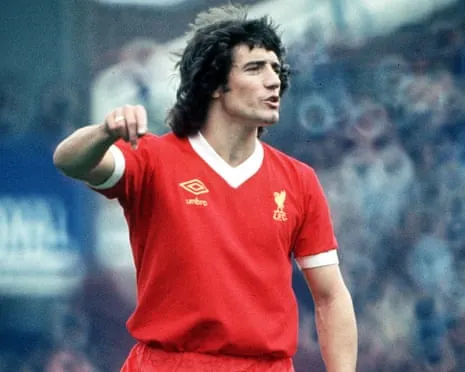
His impact extended beyond the pitch, as he became a more wholesome and dependable commercial face of the superstar footballer in Britain, succeeding George Best in this regard. For England, he effectively became Bobby Moore’s successor as captain, carrying the burden of leading a national team that was in decline from its World Cup-winning heights.
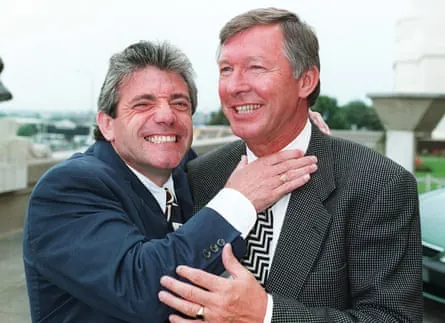
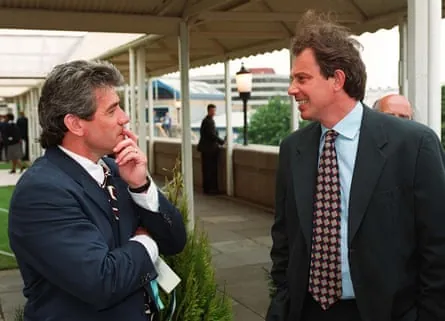
Keegan remained connected to his working-class roots, identifying as a Labour supporter. He was close enough to former Prime Minister Tony Blair to host him for dinner. His autobiography recounts how strangers still shout “love it” to him and how photographs of his famous outburst are often auctioned for more money than those of him playing for England or his clubs.
His family’s statement confirmed his passing.
Read Also
Source: theguardian.com

As News-GB.org's Sports Reporter, Eleanor Vance reports on tennis, cricket and athletics for readers across the country. She built her name on long-form athlete profiles. She holds a degree in Sport and Media from the University of Bath and completed an NCTJ diploma. Eleanor lives in Bath, where she swims competitively and follows British athletics. “A profile is only as good as the questions behind it.”