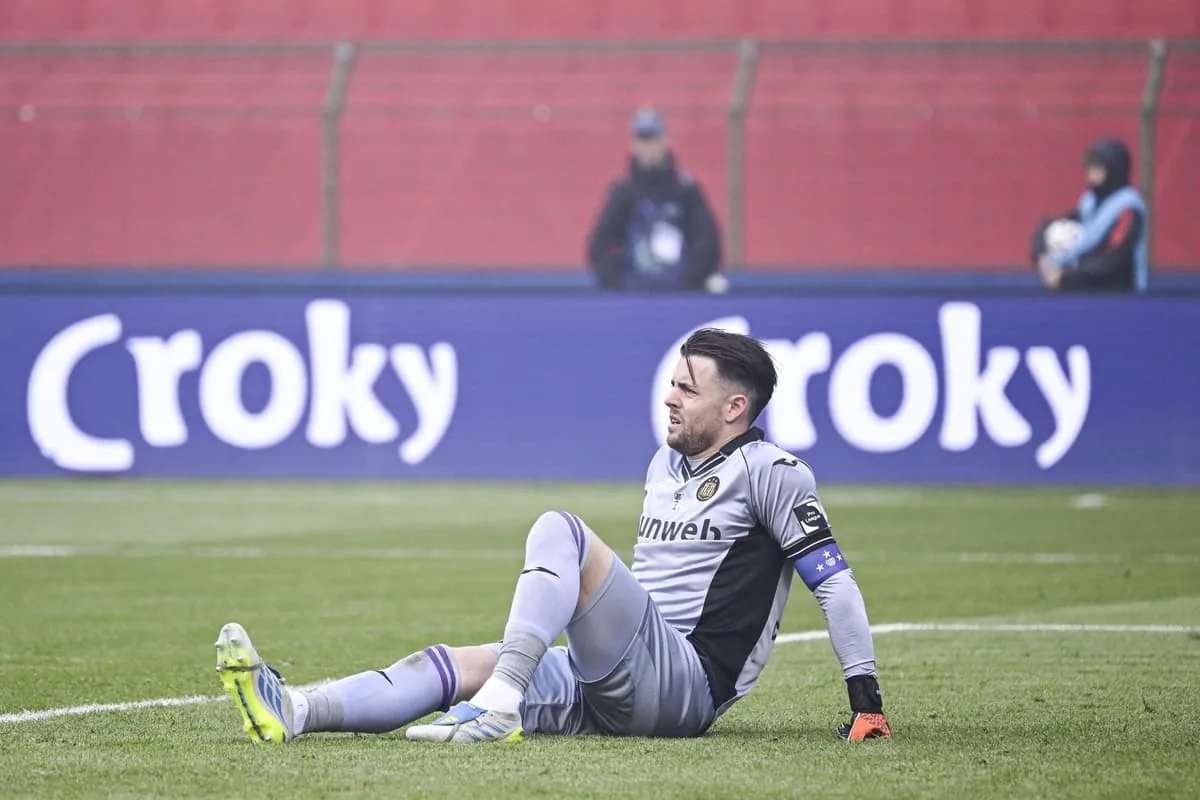

English football’s top leagues are preparing to trial new measures aimed at addressing goalkeeper tactical timeouts. The Premier League, EFL, FA, National League, WSL, and Pro Ref have all agreed to the trial, which received approval from the International Football Association Board (IFAB).
The new rule will be implemented immediately, potentially starting with the Carabao Cup preliminary round. When a referee signals for a physio to treat a goalkeeper, the coach will have 10 seconds to select an outfield player to leave the pitch for one minute. If no player is chosen within this timeframe, the team’s captain will be required to leave the field temporarily. The nominated player must remain off the field for a minimum of one minute after play restarts.
Addressing Tactical Stoppages
The initiative seeks to ensure that genuine injuries receive appropriate medical attention while eliminating any potential sporting advantage gained from stoppages. The practice of goalkeepers allegedly feigning injury to waste time, allow managers to regroup, and pass on tactical information has been a topic of discussion in recent seasons.
IFAB had previously indicated its intention to tackle these tactical timeouts at its annual general meeting in February. While IFAB approved two variations of the trial, English football has opted for the nominated-player approach. Other leagues, such as Australia’s A-League, will test a version where the captain always leaves the field.
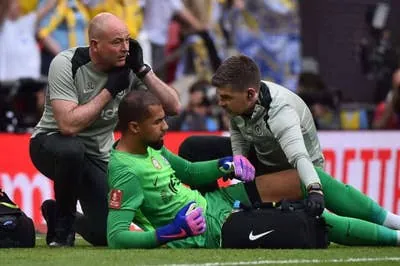
The trial includes several exceptions. An outfield player will not be required to leave the field if the goalkeeper has been fouled, has collided with another player, or if there is any concern about a serious injury, including a concussion. Additionally, if the goalkeeper is bleeding, the rule will not apply.
Recent Incidents Highlight Concerns
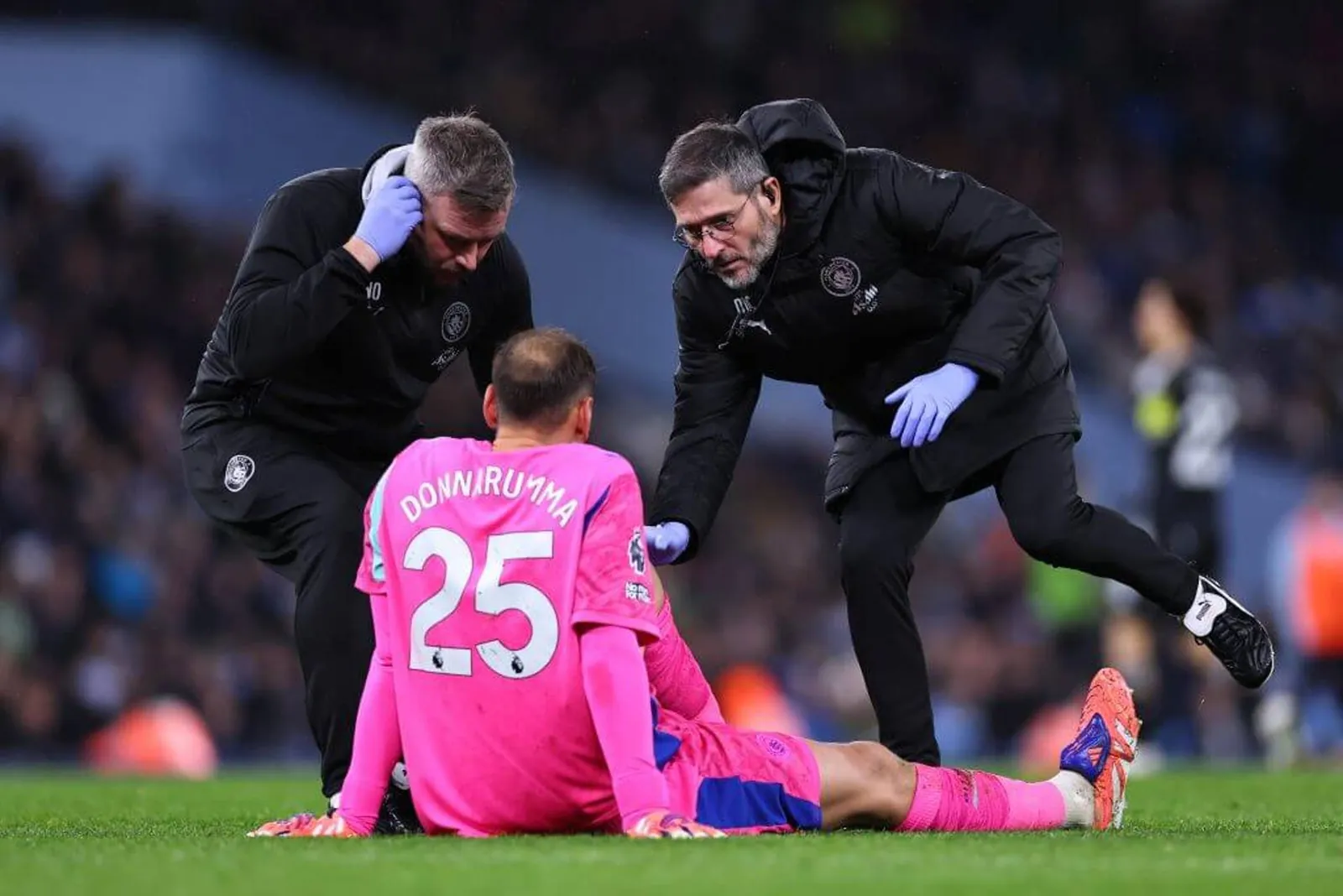
The issue of tactical timeouts has been highlighted by several incidents. In November, Leeds United boss Daniel Farke accused Manchester City goalkeeper Gianluigi Donnarumma of feigning injury during a Premier League match. Farke suggested the action was intended to allow City manager Pep Guardiola to communicate with his players.
Similarly, in December, comments were made regarding Newcastle‘s Aaron Ramsdale going to ground against Manchester United. The stoppage occurred while Luke Shaw was preparing to take a throw-in for United. In March, Brighton boss Fabian Hurzeler also criticised David Raya for what appeared to be a tactical timeout.
The logic behind the new trial draws from existing rules where outfield players treated on the field must leave for a minute. While sending a goalkeeper to the sideline would be too significant a disadvantage, the current system has created a loophole that teams could exploit. This measure aims to close that loophole. English football, alongside IFAB and other stakeholders, will monitor the trial’s effectiveness throughout the season. If successful, the measure could be added to the game’s laws in time for the 2027-28 season.
A separate rule regarding substitutions will also be in effect, with a 10-second time limit for players leaving the pitch when substituted across the professional game from the first whistle of the forthcoming campaign in the Carabao Cup on Saturday 1st August.
Source: skysports.com

Sam Whitlock is a Sports News Writer at News-GB.org. He moved from local newspapers into digital sport. He focuses on rugby union, golf and boxing and is known for clear, deadline-driven reporting. He holds a degree in Journalism from the University of Gloucestershire and completed an NCTJ diploma. Now based in Gloucester, he plays amateur rugby and follows the fight game. “Clarity beats cleverness in breaking sport news.”