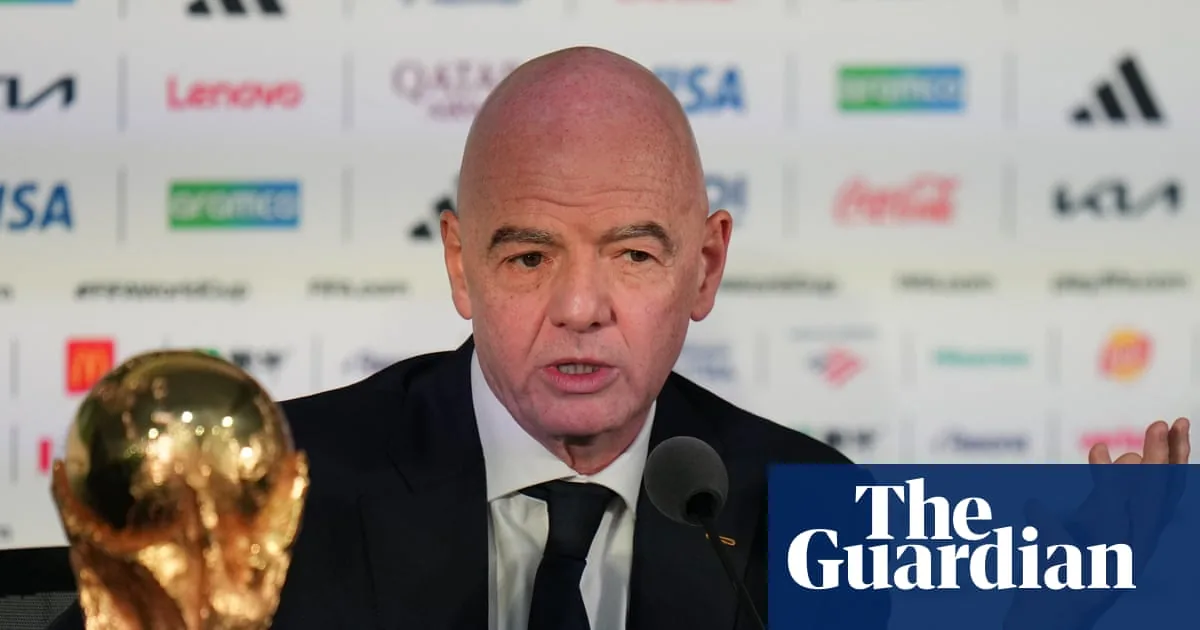

FIFA’s Proposed Investment Plan
FIFA has announced a plan to sell minority stakes in its football competitions, including the World Cup, to private investors. This initiative, which FIFA president Gianni Infantino describes as the democratisation of football, has generated considerable discussion among fans, politicians, and regional governing bodies. The proposal involves raising an estimated $4.2 billion in 2026 by selling a reported 20% minority stake in a new subsidiary, FIFA Forward Enterprise, at an equity valuation of $20 billion. This new company would control FIFA’s commercial and event operations.
A key element of the plan is a proposed $20 million funding payment to each of FIFA’s 211 member associations if the deal is finalised. Additionally, annual funds to members are expected to increase through 2038. FIFA has stated it would remain the primary owner of the new subsidiary, retaining control over scheduling competitions, matches, and governance decisions. The investment fund involved, Thrive Capital, is led by Josh Kushner, brother-in-law of Ivanka Trump, with Greg Maffei acting as a commercial advisor.
Reactions and Concerns from Governing Bodies
The proposal has been met with significant criticism, particularly regarding the process by which it was introduced. UEFA, the European governing body, has accused FIFA of pursuing self-enrichment and has expressed strong opposition, stating that the soul and governance of football are not assets to trade. UEFA president Aleksander Ceferin previously boycotted the World Cup final due to disagreements with FIFA policies, including a decision to overturn a suspension for USA striker Folarin Balogun.
Other confederations, including CONCACAF (North, Central American and Caribbean) and the Asian Football Confederation, have also voiced concerns. They reported being informed of the plans through media rather than through established governance channels, highlighting a perceived lack of due process. The Football Association in England similarly stated it was unaware of the proposal’s details and expressed deep concern over the lack of information and transparency. An emergency meeting for UEFA members is scheduled to discuss a coordinated response, with reports indicating a potential boycott of FIFA events, including the World Cup, could be considered.
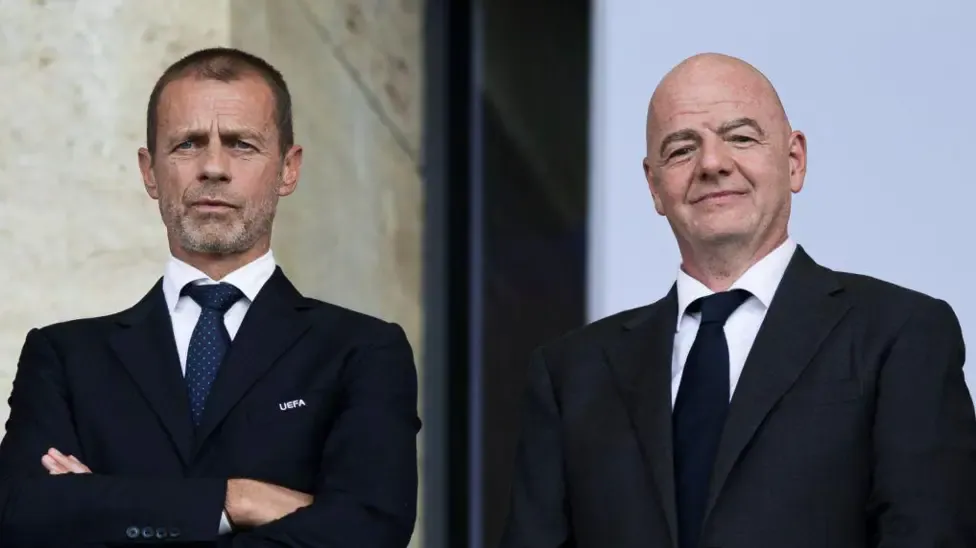
The relationship between Gianni Infantino and Aleksander Ceferin has become increasingly strained. This conflict is partly fuelled by FIFA’s expanded Club World Cup, which UEFA views as a direct challenge to its own Champions League. The proposed sell-off has further exacerbated these tensions. Infantino’s close ties with Donald Trump, including opening a FIFA office in Trump Tower and awarding a Peace Prize to Trump, have also drawn scrutiny.
Implications and Next Steps
The plan requires approval from a simple majority of FIFA’s member associations. Infantino has garnered significant support from countries in Africa, Asia, and the Americas, many of whom have benefited financially from his policies, such as the expansion of the World Cup to 48 teams and increased commercial revenues. This base of support, representing more than half of FIFA’s 211 members, suggests the plan is likely to proceed.
Critics, including former chairman of FIFA’s governance committee Miguel Maduro, have raised doubts about whether the proposed funding would effectively reach all levels of football as intended. Maduro described the proposal as a form of “legalised bribe.” The deadline for member associations to decide on the initial payment is 19 September.
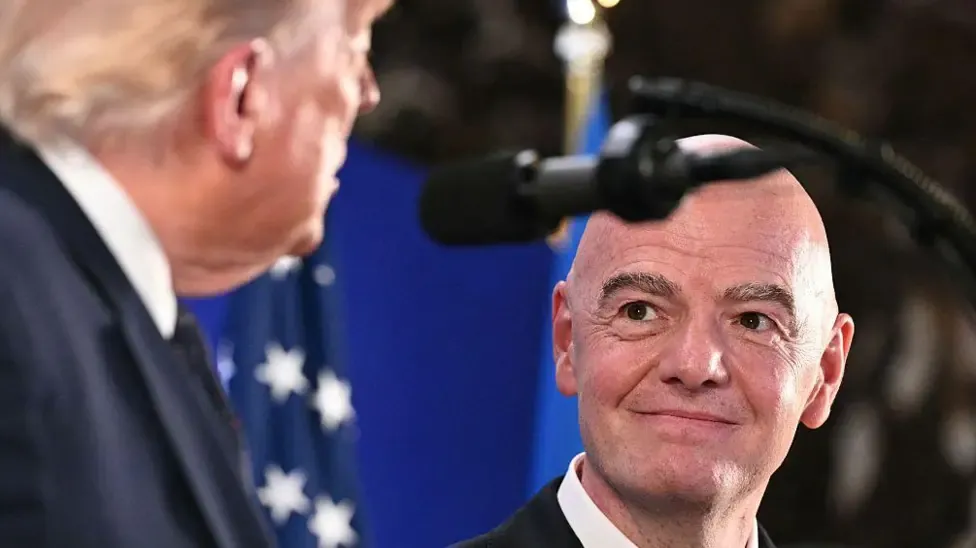
The move by FIFA aligns with a broader trend of private equity investment in sports, seen in leagues like La Liga and Ligue 1, and various American sports. However, the lack of consultation with key stakeholders has led to accusations of a unilateral approach. Infantino, who is eligible for re-election next year and is term-limited after 2031, could potentially serve as a commissioner or chief executive of the new company after his final term, though he has denied discussing this idea. FIFA made $15 billion in revenue from the 2026 World Cup, a significant increase from the $7.57 billion generated during the 2022 cycle.
The final decision on whether to proceed with the proposal rests with the member associations, who have until 19 September to apply for the initial payment.
Source: bbc.co.uk

Sam Whitlock is a Sports News Writer at News-GB.org. He moved from local newspapers into digital sport. He focuses on rugby union, golf and boxing and is known for clear, deadline-driven reporting. He holds a degree in Journalism from the University of Gloucestershire and completed an NCTJ diploma. Now based in Gloucester, he plays amateur rugby and follows the fight game. “Clarity beats cleverness in breaking sport news.”